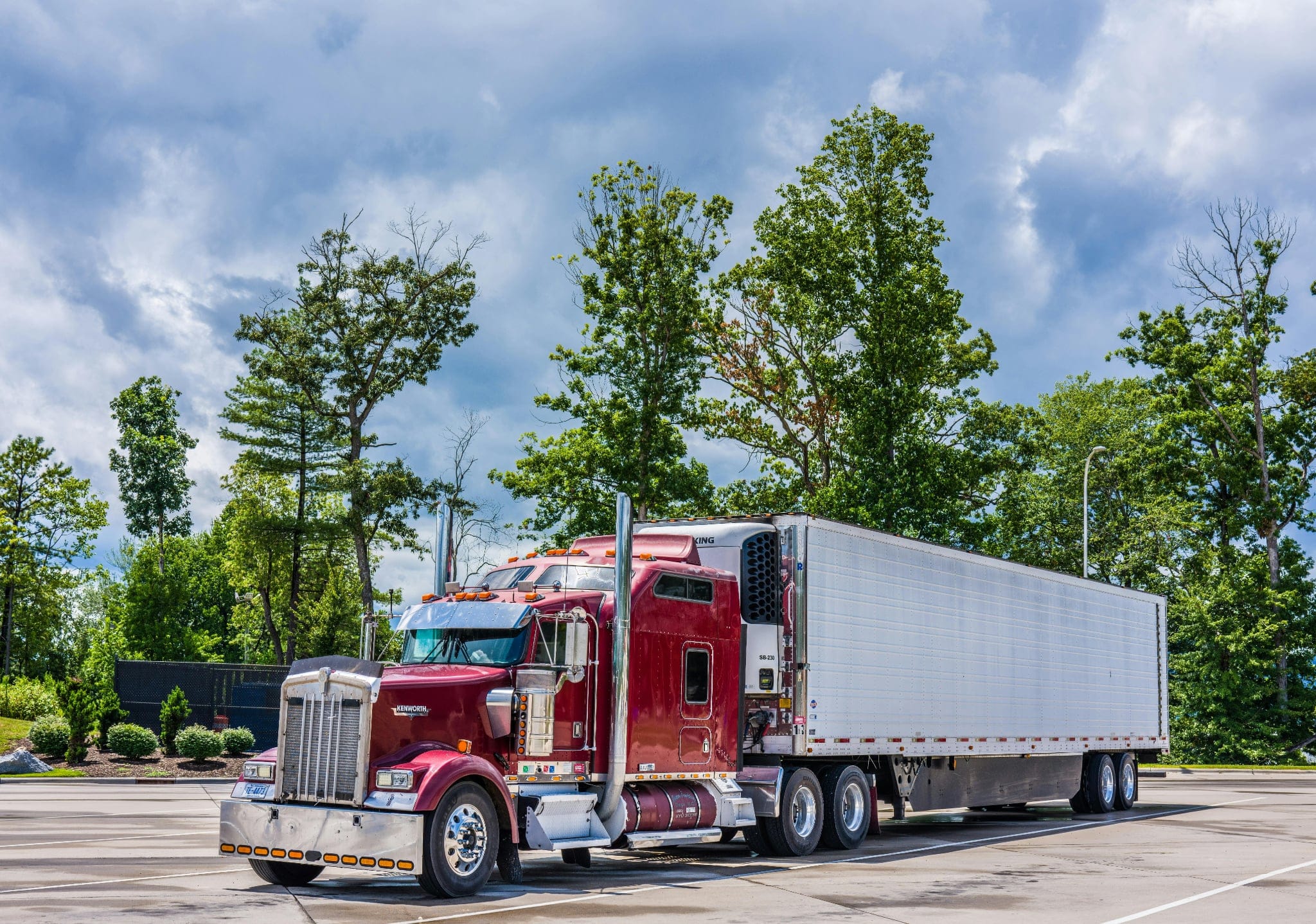
Commercial truck crashes create some of the largest insurance claims in the United States. Large-truck crashes killed an estimated 5,800+ people and caused billions in liability exposure, according to the National Highway Traffic Safety Administration (NHTSA). Yet most injured victims discover the same problem after a crash: nobody can clearly explain which insurance policy actually pays.
That confusion is not accidental. Commercial trucking insurance is layered, technical, and designed to minimize payouts wherever possible. This guide explains how insurance coverage works after a commercial truck accident, what policies may apply, and how trucking companies and insurers attempt to limit liability. Written for victims and families by Ignacio G. Martinez, a Texas personal injury attorney representing commercial truck accident victims.
TL;DR — What You Need to Know:
- Commercial truck accidents often involve multiple insurance policies, not just one.
- Federal law requires trucking companies to carry minimum liability coverage through FMCSA regulations.
- Policies may include primary liability, excess coverage, cargo insurance, trailer interchange coverage, and MCS-90 endorsements.
- Trucking insurers frequently dispute coverage, deny liability, or shift blame between companies.
- The faster an attorney identifies every applicable policy, the stronger the settlement position becomes.
Why Commercial Truck Insurance Claims Are Different
A normal car accident usually involves one driver, one insurance company, and one liability policy. Commercial truck accidents rarely work that way.
A single semi-truck collision may involve the following:
- the truck driver,
- the trucking company,
- a freight broker,
- a trailer owner,
- a cargo company,
- multiple insurers,
- and several overlapping policies.
That structure exists because commercial trucking operates through layered risk management. Carriers distribute liability across different policies and corporate entities. Insurers know this complexity discourages injured victims from pursuing the full value of their claims.
The Insurance Information Institute reports that commercial trucking claims produce significantly higher average payouts than standard passenger vehicle claims because catastrophic injuries are more common in crashes involving 80,000-pound tractor-trailers.
Why Insurance Coverage Becomes a Legal Battle
Insurance companies begin investigating immediately after a truck crash.
Within hours, carriers often dispatch the following:
- rapid-response teams,
- defense attorneys,
- accident reconstructionists,
- insurance adjusters,
- and claims specialists.
Their first goal is not determining fairness. Their first goal is limiting exposure.
That means identifying:
- which policy applies,
- whether exclusions exist,
- whether another insurer shares liability,
- and whether damages exceed policy limits.
Victims who wait too long frequently lose leverage before negotiations even begin.
The 6 Insurance Policies That May Apply After a Truck Accident
No competitor explains this clearly enough: commercial truck accidents rarely involve a single insurance layer. Most serious cases involve stacked policies.
Layer 1: Primary Liability Insurance
Primary liability coverage is the core policy carried by the trucking company. Federal law requires interstate carriers to maintain minimum liability coverage under FMCSA regulations.
This policy generally covers:
- bodily injury,
- wrongful death,
- property damage,
- and legal defense costs.
Federal minimums vary depending on cargo type.
| Cargo Type | FMCSA Minimum Coverage |
|---|---|
| General freight | $750,000 |
| Oil transport | $1,000,000 |
| Hazardous materials | $5,000,000 |
The problem: catastrophic truck crashes often exceed these minimums quickly. A single traumatic brain injury case can produce medical costs exceeding $1 million over a lifetime.
Layer 2: Excess or Umbrella Insurance
Large trucking companies rarely rely solely on primary liability coverage. Many carriers purchase excess or umbrella policies that activate after the primary layer is exhausted.
Example:
- Primary policy: $1 million
- Excess policy: $4 million
- Total available coverage: $5 million
These secondary policies become critical in catastrophic injury and wrongful death litigation. However, excess insurers aggressively dispute payouts because their exposure begins only after large damages accumulate.
Layer 3: Cargo Insurance
Cargo insurance protects the freight being transported. This policy does not usually compensate injured victims directly. Still, it matters because disputes over destroyed cargo often affect settlement negotiations.
Cargo claims commonly arise after the following:
- rollover crashes,
- jackknife accidents,
- refrigerated freight failures,
- and hazardous material spills.
Layer 4: Trailer Interchange Coverage
Many trucking companies operate trailers they do not own. Trailer interchange coverage applies when one company damages another company’s trailer while operating under interchange agreements.
This layer becomes important in:
- leased trailer disputes,
- owner-operator arrangements,
- and brokered freight operations.
Layer 5: Bobtail and Non-Trucking Liability Insurance
Truck drivers sometimes operate tractors without attached trailers or outside dispatch assignments. Bobtail coverage applies when the truck operates without a trailer. Non-trucking liability insurance applies when the driver uses the vehicle for personal purposes outside work operations. Insurers frequently argue over whether the driver was “on duty” at the time of the crash because that determines which policy pays.
Layer 6: The MCS-90 Endorsement
The MCS-90 endorsement is one of the most misunderstood components of trucking insurance law. An MCS-90 is not technically insurance coverage. It is a federally mandated endorsement requiring interstate carriers to pay certain public liability claims even if the underlying policy would otherwise deny coverage.
The endorsement exists to protect the public when carriers attempt to avoid responsibility through technical exclusions. According to FMCSA guidance and federal case law, the MCS-90 acts as a financial safety net designed to ensure injured victims receive compensation.
How Multiple Truck Insurance Policies Stack Together
Most victims assume one insurer writes one check. That almost never happens in serious truck litigation.
Instead, insurers often fight among themselves over:
- who pays first,
- which policy is primary,
- whether exclusions apply,
- and whether another company shares responsibility.
Here is a simplified example of policy stacking in a commercial truck crash:
| Coverage Layer | Example Coverage Amount | Purpose |
|---|---|---|
| Primary liability | $1 million | Initial bodily injury coverage |
| Excess liability | $4 million | Additional catastrophic injury protection |
| Umbrella policy | $10 million | High-severity loss protection |
| Cargo insurance | $250,000 | Freight damage |
| MCS-90 endorsement | Variable | Public liability protection |
In catastrophic cases involving paralysis, burn injuries, or wrongful death, multiple layers may activate simultaneously. That changes settlement negotiations dramatically.
Who Can Be Held Liable After a Commercial Truck Accident?
One of the largest insurance disputes involves identifying every potentially liable company. The truck driver may not be the only defendant.
Potentially Responsible Parties Include:
- Truck driver
- Trucking company
- Freight broker
- Trailer owner
- Cargo loading company
- Maintenance contractor
- Truck manufacturer
- Tire manufacturer
Each defendant may carry separate insurance coverage. This is where experienced trucking litigation becomes critical. Missing one liable entity can mean missing millions in available coverage.
Freight Broker Liability Is Expanding
Courts increasingly allow claims against freight brokers who negligently hire unsafe carriers. That trend accelerated after several major federal appellate decisions between 2023 and 2025 expanded broker-liability theories under negligent selection doctrines. Broker policies may create additional recovery layers unavailable through the carrier alone.
Why Trucking Insurance Companies Deny Claims
Truck insurers do not simply ask whether an accident happened.
They evaluate:
- liability exposure,
- policy interpretation,
- litigation risk,
- and settlement pressure.
Their business model depends on minimizing payouts.
Common Denial Tactics
| Insurance Defense Strategy | Purpose |
|---|---|
| Blaming the passenger vehicle | Reduce comparative liability |
| Delaying evidence production | Pressure lower settlements |
| Denying policy applicability | Shift payment to another insurer |
| Disputing employment status | Avoid vicarious liability |
| Arguing independent contractor status | Reduce carrier responsibility |
| Challenging medical causation | Lower damages |
One important nuance: trucking companies frequently classify drivers as independent contractors even when the carrier exercises operational control. Courts increasingly examine the actual relationship rather than the contract label alone.
What Happens When Damages Exceed Insurance Limits?
This is one of the most important questions in catastrophic truck accident litigation.
When damages exceed available insurance:
- plaintiffs may pursue corporate assets,
- additional defendants,
- umbrella policies,
- or bad-faith insurance claims.
Nuclear Verdicts Changed Truck Insurance Strategy
The American Transportation Research Institute (ATRI) reported that average “nuclear verdicts” in trucking litigation increased dramatically during the past decade. Verdicts exceeding $10 million are no longer rare in catastrophic cases.
As a result:
- insurers defend truck cases more aggressively,
- carriers buy larger excess policies,
- and settlement negotiations have become far more complex.
“The trucking industry has seen unprecedented growth in large verdicts over the last several years, particularly in cases involving catastrophic injuries.”
— American Transportation Research Institute (ATRI), Nuclear Verdicts Research Report
That trend directly affects insurance strategy after every serious truck crash.
How Lawyers Identify Hidden Insurance Coverage
The most valuable insurance policy is often the one victims do not know exists.
Experienced truck accident attorneys investigate:
- FMCSA filings,
- insurance certificates,
- broker agreements,
- trailer leases,
- telematics vendors,
- maintenance contracts,
- and corporate ownership structures.
The FMCSA SAFER Database Matters
The Federal Motor Carrier Safety Administration maintains public carrier records through the SAFER database.
Those filings often reveal:
- insurance providers,
- operating authority,
- safety ratings,
- and company affiliations.
Lawyers compare those records against the insurer’s disclosures to identify missing coverage layers.
Why Timing Matters
Insurance evidence disappears quickly. Policy disputes harden within days after a crash. Once insurers establish competing narratives, negotiations become more difficult. That is why serious truck accident cases require immediate investigation.
If you were injured in a commercial truck accident, speak with Ignacio G. Martinez before discussing the crash with the trucking company’s insurer. Early investigation often determines whether critical insurance coverage is discovered or missed.
Critical Insurance Evidence Deadlines
| Evidence Type | Risk Window | Action Required |
|---|---|---|
| Dashcam footage | 24–72 hours | Preservation request immediately |
| ECM/black box data | ~30 days | Preservation letter |
| Driver logs | 6 months | Subpoena promptly |
| Telematics records | 30–90 days | Vendor preservation demand |
| Surveillance footage | Often under 7 days | Immediate retrieval |
How Insurance Coverage Impacts Truck Accident Settlements
Insurance coverage shapes settlement value more than most victims realize.
A case involving:
- severe injuries,
- multiple liable defendants,
- excess coverage,
- and strong liability evidence
creates far greater settlement pressure than a minimally insured claim. Insurance companies calculate exposure mathematically.
When attorneys identify:
- additional policies,
- hidden defendants,
- and corporate liability overlap,
The settlement value often increases substantially. That is why trucking cases differ from ordinary car accident claims. The real battle is often about coverage structure as much as fault itself.
Contact Ignacio G. Martinez
If you or someone you love suffered injuries in a commercial truck accident, understanding the available insurance coverage is one of the most important parts of the case. Ignacio G. Martinez represents truck accident victims throughout Texas and investigates every available source of recovery.
Schedule your free consultation today.
About the Author
Ignacio G. Martinez is a Texas personal injury attorney representing victims of commercial truck accidents, catastrophic injuries, and wrongful death claims. Martinez has extensive experience handling complex trucking litigation involving FMCSA regulations, corporate liability disputes, and high-value insurance claims.
Frequently Asked Questions
What insurance covers a commercial truck accident?
Several policies may apply after a commercial truck crash, including primary liability insurance, excess coverage, umbrella policies, cargo insurance, and MCS-90 endorsements. The applicable policies depend on who owned the truck, who employed the driver, what cargo was involved, and whether interstate trucking regulations apply.
How much insurance do trucking companies carry?
Federal law requires interstate trucking companies to carry at least $750,000 in liability coverage for general freight. Hazardous-material carriers may need up to $5 million in coverage. Many larger carriers also purchase excess or umbrella insurance policies worth several million dollars.
What is the MCS-90 endorsement?
The MCS-90 endorsement is a federally required financial responsibility endorsement attached to certain trucking policies. It ensures injured members of the public receive compensation even if the insurer attempts to deny coverage under policy exclusions. Courts often describe it as a public-protection mechanism.
Can multiple insurance policies apply to one truck accident?
Yes. Serious truck accidents frequently trigger several overlapping policies. A case may involve the carrier’s primary liability policy, excess coverage, trailer interchange insurance, broker liability coverage, and umbrella policies simultaneously. Determining the order of coverage often becomes a major legal dispute.
What happens if damages exceed the trucking company’s policy limits?
When damages exceed available insurance limits, injured victims may pursue additional defendants, umbrella policies, excess carriers, or corporate assets. In some cases, plaintiffs may also pursue bad-faith insurance claims if insurers improperly refuse reasonable settlements.
Why do trucking insurance companies deny claims?
Trucking insurers deny claims to reduce financial exposure. Common tactics include disputing liability, blaming other drivers, challenging injury severity, disputing employment relationships, and arguing that another insurer should pay first. Large truck claims often involve millions in potential damages.
Does cargo insurance pay for injury claims?
Usually no. Cargo insurance primarily covers damage to freight being transported. Bodily injury claims generally fall under liability insurance policies instead. However, cargo disputes can still affect overall settlement negotiations after major truck crashes.
How long does a truck insurance claim take?
Simple truck accident claims may resolve within several months. Catastrophic injury cases involving multiple insurers and disputed liability often take one to three years, especially when litigation becomes necessary. Insurance coverage investigations alone can take several months.