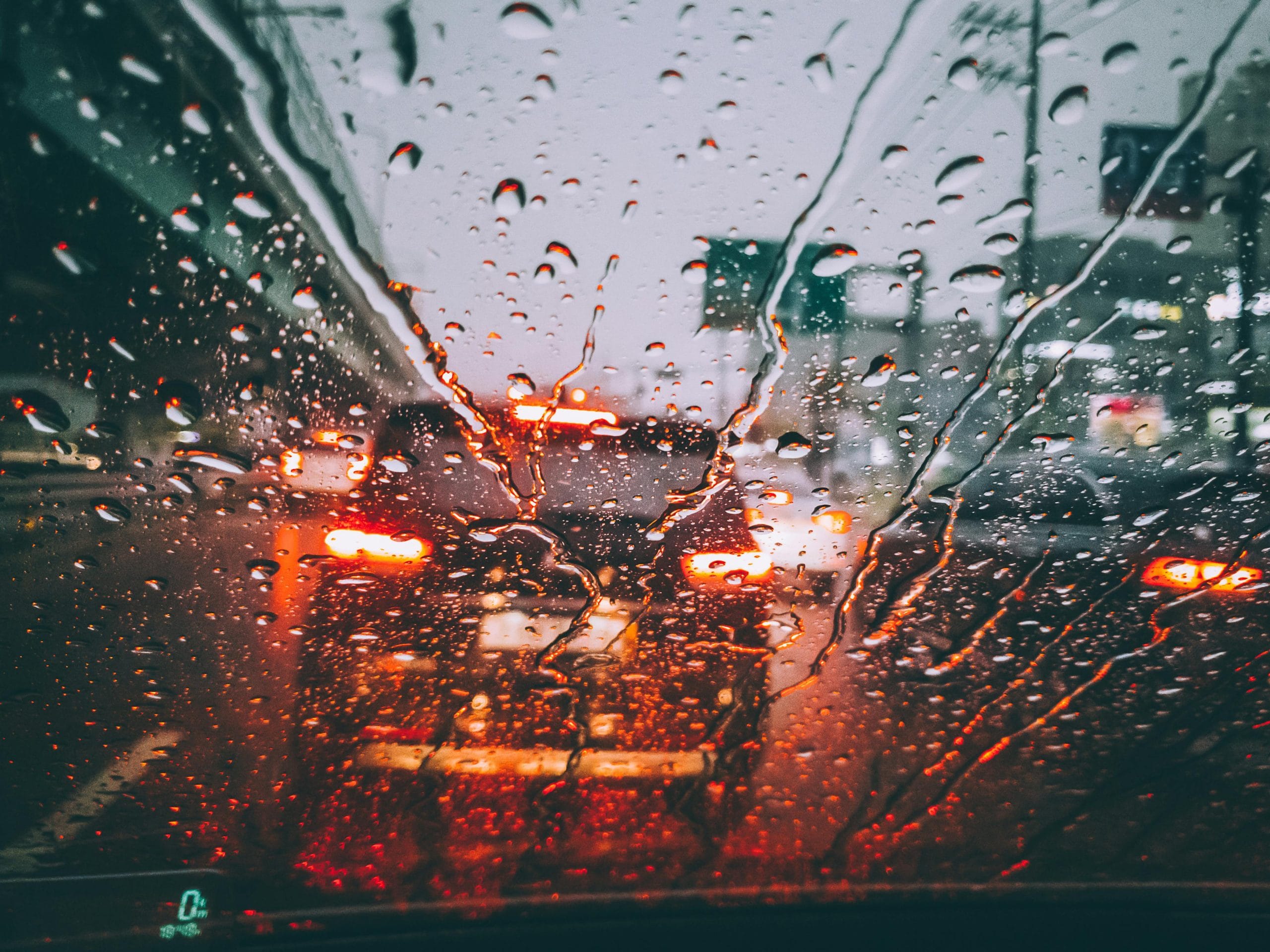
Weather conditions are an often underestimated factor in roadway safety, particularly in regions like Brownsville, Texas, where sudden rain, humidity, and fog can dramatically alter driving conditions. While many drivers assume accidents are primarily caused by human error, environmental factors frequently play a critical role in collision rates.
Understanding how weather conditions contribute to car crashes in Brownsville is essential not only for prevention but also for determining liability after an accident. When adverse weather intersects with driver negligence, legal complexities arise—making it vital to consult a Brownsville car accident lawyer who can thoroughly assess the circumstances of your case.
Understanding Weather Patterns in Brownsville
Key Weather Conditions Affecting Drivers
- Heavy rain and flash flooding
- Dense fog and reduced visibility
- High humidity leading to slick roads
- Occasional tropical storms and strong winds
Each of these conditions introduces distinct risks that can increase the likelihood of accidents.
How Weather Conditions Contribute to Brownsville Car Crashes
Weather alone does not cause accidents—drivers do. However, weather significantly reduces a driver’s ability to react, see clearly, and maintain control.
1. Reduced Visibility
When visibility drops:
- Drivers may fail to notice stopped vehicles
- Reaction times increase
- Lane positioning becomes inconsistent
2. Slippery and Hazardous Roads
Rain is particularly dangerous in Brownsville, especially after long dry periods. Oil residue builds up on roads and mixes with rainwater, creating extremely slick surfaces.
Common Road Hazards Include:
- Hydroplaning due to standing water
- Loss of tire traction
- Increased braking distance
Even light rain can double the risk of an accident under the wrong conditions.
3. Driver Overconfidence in Familiar Roads
One overlooked factor is driver behavior. Many Brownsville residents are familiar with local roads and may underestimate weather risks.
This often leads to:
- Driving at normal speeds during storms
- Ignoring safe following distances
- Delayed braking responses
4. Sudden Weather Changes
Brownsville weather can shift quickly. A clear sky can turn into heavy rain within minutes.
This unpredictability leaves drivers unprepared, increasing the likelihood of:
- Rear-end collisions
- Multi-vehicle pileups
- Intersection accidents
Legal Implications of Weather-Related Accidents
A common misconception is that bad weather absolves drivers of responsibility. In reality, Texas law requires drivers to adjust their behavior based on conditions.
Duty of Care in Adverse Weather
Under Texas negligence law, drivers must:
- Reduce speed during poor conditions
- Maintain safe distances
- Use headlights appropriately
A skilled Brownsville car accident lawyer can determine whether negligence contributed to your accident despite adverse conditions.
Steps to Take After a Weather-Related Car Accident
If you are involved in a crash during adverse weather, taking the right steps can protect both your health and your legal claim.
Immediate Actions to Consider
- Seek medical attention promptly
- Document road and weather conditions with photos
- Obtain witness statements if possible
- Request a police report
- Contact a Brownsville car accident lawyer for legal guidance
These steps can significantly strengthen your case.
Why Legal Representation Matters
Weather-related cases often involve disputed liability. Insurance companies may attempt to minimize payouts by attributing the accident solely to environmental conditions.
However, a thorough legal approach can reveal:
- Driver negligence despite weather conditions
- Failure to adjust speed or behavior
- Violations of traffic safety standards
This is where experienced legal counsel becomes essential.
Take Control After the Storm
If you’ve been involved in a crash influenced by weather, don’t let uncertainty define your next steps.
Contact the Law Offices of Ignacio G. Martinez today. Speak with a trusted Brownsville car accident lawyer. Get the clarity, support, and representation you deserve
Because when conditions get tough, you deserve someone who stands firm beside you.
Frequently Asked Questions
1. How do sudden rainstorms increase accident risks in Brownsville?
Sudden rainstorms reduce visibility and make roads slippery within minutes. Drivers often do not adjust their speed quickly enough to match conditions. This leads to increased stopping distances and delayed reactions. As a result, rear-end collisions become more common. These conditions significantly raise accident risks.
2. Are drivers still responsible for accidents caused by bad weather?
3. What types of crashes are most common during fog in Brownsville?
Fog commonly leads to multi-vehicle collisions due to reduced visibility. Drivers may not see stopped traffic ahead in time. This often results in chain-reaction accidents. Lane drifting is also more frequent in foggy conditions. These factors make fog particularly dangerous.
4. How does hydroplaning contribute to car accidents?
5. Can poor road maintenance worsen weather-related crashes?
Yes, poor drainage and potholes can increase accident risks during bad weather. Water accumulation makes roads more hazardous. Damaged surfaces reduce tire traction further. These issues can contribute to loss of control. Proper infrastructure is essential for safety.
6. Why are intersections more dangerous during heavy rain?
Intersections require quick decisions and clear visibility. Rain reduces both, making it harder to judge distance and speed. Drivers may run lights unintentionally due to slippery roads. This increases the likelihood of side-impact collisions. These crashes are often severe.
7. How can drivers reduce risks during adverse weather conditions?
Drivers should reduce speed and increase following distance. Using headlights improves visibility for everyone on the road. Avoiding sudden braking or sharp turns also helps maintain control. Staying alert to changing conditions is crucial. These steps can significantly reduce accident risks.
8. Do insurance companies treat weather-related claims differently?
Insurance companies often scrutinize weather-related claims more closely. They may argue that the weather, not negligence, caused the accident. This can complicate the claims process. Evidence becomes critical in these situations. Legal guidance can help protect your claim.
9. What evidence is important after a weather-related accident?
Photos of the scene and weather conditions are very helpful. Police reports and witness statements also strengthen your case. Medical records document injury severity. Together, this evidence helps establish liability. It is essential for a successful claim.
10. How can a lawyer help in weather-related car accident cases?
A lawyer investigates all contributing factors, including driver behavior. They gather evidence and consult experts if needed. This helps establish whether negligence played a role. They also negotiate with insurance companies on your behalf. Their goal is to secure fair compensation.