Written by
Ignacio G. Martinez
Legal Expert
TL;DR
- Texas premises liability law hinges on what the property owner knew or reasonably should have known, not just on the existence of a hazard.
- Wet floors, uneven surfaces, poor lighting, and weather-related hazards are among the most common causes of slip-and-fall claims.
- The applicable legal duty differs depending on whether the injured person was an invitee, licensee, or trespasser.
- Evidence like maintenance logs, incident reports, and surveillance footage has a short window before it’s lost or overwritten.
- The specific cause of a fall often determines which legal theory and which evidence will make or break the claim.
The Legal Standard Behind Every Slip and Fall Case
Common Causes of Slip and Fall Accidents in Brownsville
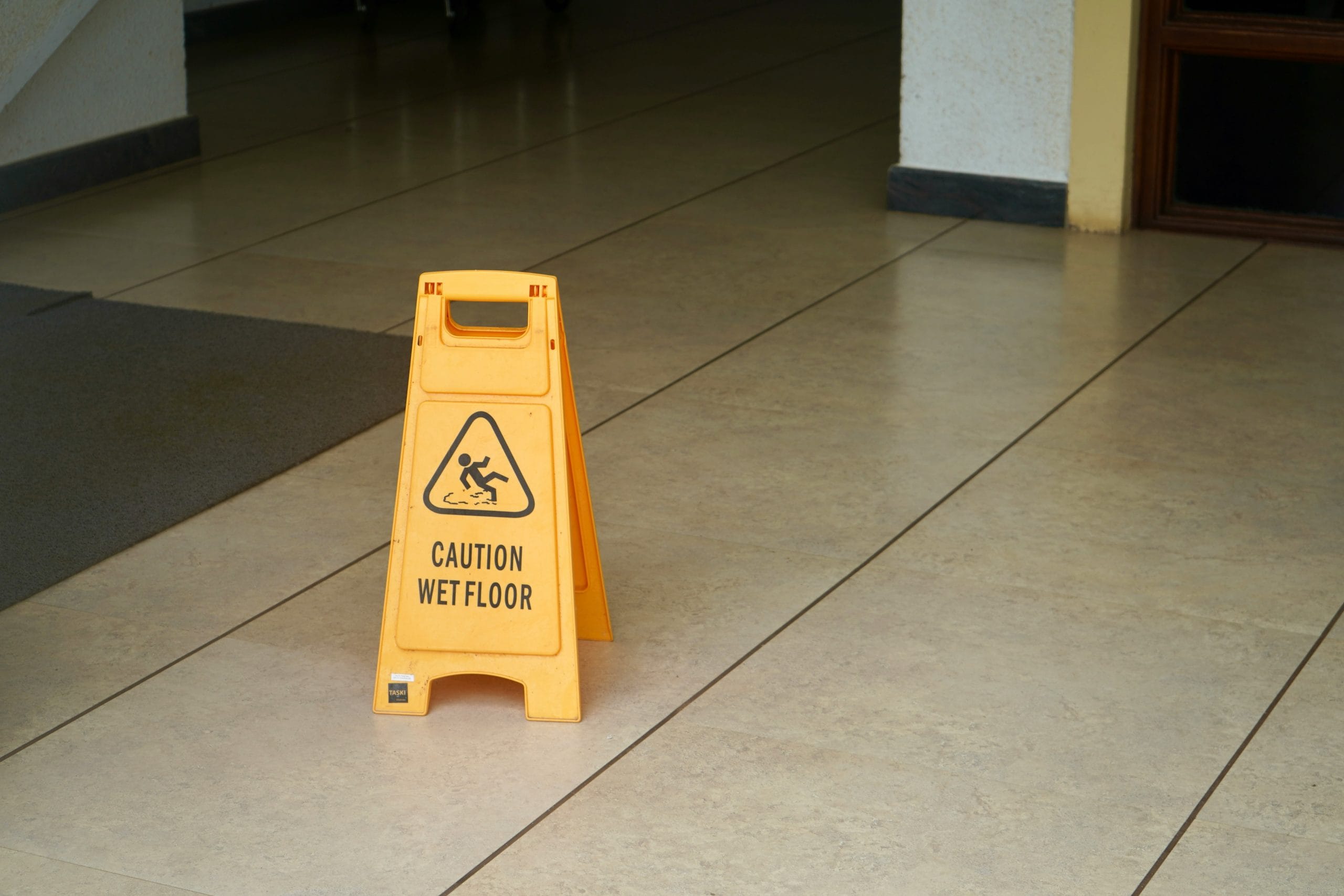
Wet or Recently Mopped Floors
Grocery wet-floor hazards are a leading cause of slip and fall injuries. Ideally, from a national safety or premises liability perspective, failure to place warning signage during and after mopping is one of the most commonly cited failures in these claims.
Uneven or Damaged Walking Surfaces
Poor Lighting
Weather-Related Hazards
Rain is a routine part of life in Brownsville and the broader Rio Grande Valley, and property owners are expected to take reasonable steps to address tracked-in water and slick entryways during and after weather events. The duty here is one of reasonable response, not an absolute guarantee of a dry floor during active rain.
Loose Mats, Rugs, and Flooring Transitions
Cluttered Walkways and Stairs
Boxes, cords, merchandise displays, and construction debris left in walkways or on stairs create foreseeable hazards.
Inadequate Handrails or Stairway Defects
Missing, loose, or improperly installed handrails on stairs can turn a minor stumble into a serious fall. Many jurisdictions have specific code requirements for handrail presence and height, and a violation of a relevant code section can support a negligence claim.
Invitee, Licensee, or Trespasser: Why It Changes the Case
The legal duty a property owner owes depends on the injured person’s legal status on the property at the time of the fall. A customer in a store (an invitee) is generally owed the highest duty of care. A social guest (a licensee) is owed a somewhat lower duty. Someone on the property without permission (a trespasser) is owed the most limited duty, with some exceptions.
This distinction matters because the same fall, on the same wet floor, can result in a very different legal analysis depending on why the injured person was there in the first place.
| Hazard Type | Typical Evidence Needed | Common Defense Argument |
|---|---|---|
| Wet floor | Surveillance footage, incident reports, mopping/signage logs | “The spill was too recent to have been discovered” |
| Uneven surface | Photos, maintenance records, prior complaint history | “The condition was open and obvious” |
| Poor lighting | Maintenance logs, photos/video of lighting conditions | “Lighting was adequate at the time” |
| Weather-related | Weather records, entryway maintenance logs, timing of the incident | “Reasonable precautions were already in place” |
| Loose mat/rug | Photos, maintenance and replacement records | “The mat was inspected recently and appeared secure” |
| Cluttered walkway | Photos, employee statements, timing of when items were placed | “The item had just been placed and hadn’t been discovered yet” |
Evidence That Needs to Be Preserved Quickly
Several categories of evidence central to slip and fall cases don’t last long:
- Surveillance footage, which many businesses overwrite within days to a few weeks, absent a preservation request
- Incident reports filed by the business at the time of the fall
- Maintenance and inspection logs
- Weather data, for weather-related hazard claims
- Photos of the hazard itself, since businesses often remedy the condition immediately after an incident, which is appropriate for safety, but can eliminate visual evidence
Sending a formal preservation letter early is one of the most consequential steps in a slip and fall case, precisely because so much of the key evidence is perishable.
What to Do After a Slip and Fall in Brownsville
- Report the fall to the property owner or manager and request a copy of the incident report
- Photograph the hazard, the surrounding area, and any visible injuries before the condition is fixed or removed
- Get contact information from any witnesses
- Seek medical evaluation promptly, even if injuries seem minor at first
- Avoid giving a recorded statement to the property owner’s insurer before speaking with an attorney
Injured on Someone Else’s Property? Hold Negligent Owners Accountable.
A serious slip and fall accident can disrupt your life in an instant, leaving you with severe injuries, growing medical bills, and missed time at work. Under Texas premises liability law, property owners have a strict legal duty to maintain safe premises. When they fail to fix hidden hazards, they must be held responsible for the harm they cause.
The Law Office of Ignacio G. Martinez steps in immediately to subpoena crucial surveillance footage, challenge attempts to blame you for the fall, and demand the full civil compensation you deserve.
- Rapid Evidence Decay: Property owners frequently clean up hazards, repair defects, or overwrite security camera footage days after an incident.
- 100% Free Consultation: Discuss your injury with an experienced Brownsville slip and fall advocate at absolutely no cost or financial obligation to you.
Frequently Asked Questions
How long do I have to file a slip-and-fall claim in Texas?
Do I have a case if the hazard was “open and obvious”?
It depends. An open and obvious hazard can limit or defeat a claim in some circumstances, but exceptions exist, particularly when the property owner had reason to expect the hazard would still cause harm despite being visible.
What if I were partly responsible for not seeing the hazard?
You may still be able to recover damages under Texas’s modified comparative negligence rule. According to Texas Civil Practice and Remedies Code §33.001, your compensation may be reduced by your percentage of fault, and a percentage above the statutory threshold can bar recovery entirely.
See also: What to Do After a Slip and Fall Injury in a Brownsville Business, Common Injuries From Slip and Fall Accidents
About the Author
Ignacio G. Martinez is a dedicated personal injury and accident advocate based in Brownsville, Texas. Serving injured victims and families across Cameron County and the broader Rio Grande Valley, his practice focuses on securing comprehensive civil compensation from all liable parties following serious motor vehicle accidents and slip and fall incidents. He is a member in good standing of the State Bar of Texas, the Texas Trial Lawyers Association, and the Cameron County Bar Association.